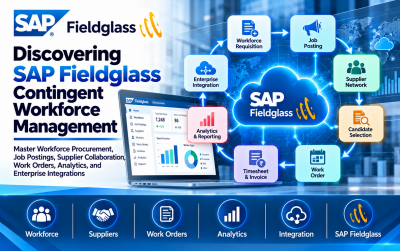
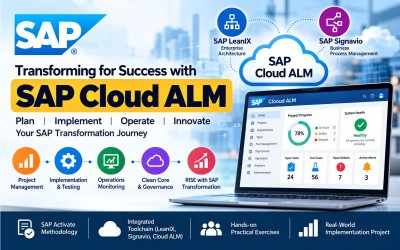
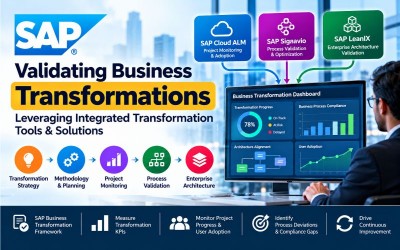
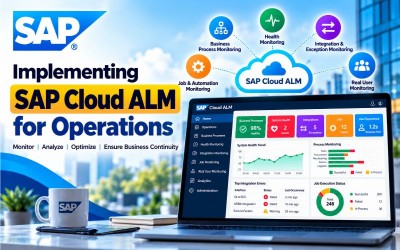
Discovering SAP Fieldglass Contingent Workforce Management is a comprehensive professional course designed for SAP Fieldglass consultants, workforce management specialists, procurement professionals, vendor management consultants, HR technology consultants, SAP administrators, implementation consultants, and SAP certification candidates.
This learning journey provides a complete understanding of SAP Fieldglass Contingent Workforce Management, including staffing and services procurement, contingent worker lifecycle management, job postings, supplier collaboration, workforce administration, analytics, reporting, integration management, and enterprise configuration.
By completing this course, learners will gain practical expertise in configuring SAP Fieldglass, managing contingent workforce procurement, administering workforce operations, optimizing supplier collaboration, configuring reporting, and integrating SAP Fieldglass with enterprise systems.
Organizations increasingly rely on contingent workers to meet changing business demands while maintaining flexibility and operational efficiency. SAP Fieldglass provides a cloud-based Vendor Management System (VMS) that enables organizations to recruit, engage, manage, and optimize contingent workforce operations through standardized procurement processes.
This course provides an end-to-end understanding of SAP Fieldglass Contingent Workforce Management, covering staffing and services procurement, contingent worker procurement, workforce administration, supplier collaboration, job postings, work orders, invoicing, analytics, reporting, Configuration Manager, integrations, and Single Sign-On (SSO).
Learners will understand both operational and administrative aspects of SAP Fieldglass and gain practical knowledge for implementing enterprise workforce management solutions.
SAP Fieldglass is a cloud-based Vendor Management System (VMS) that enables organizations to efficiently procure, engage, manage, and optimize their contingent workforce. It centralizes staffing procurement, supplier collaboration, contingent worker administration, work orders, invoicing, and workforce visibility while improving compliance and operational efficiency.
This module introduces SAP Fieldglass, staffing and services procurement, contingent workforce management, job posting processes, workforce engagement, AI capabilities, and additional platform functionality. Learners will gain a strong foundation for managing external workforce operations using SAP Fieldglass.
This unit introduces staffing procurement and services procurement within SAP Fieldglass. Learners will understand how organizations procure contingent workers and external services while collaborating with staffing suppliers through a centralized Vendor Management System.
This unit introduces the SAP Fieldglass interface, navigation, dashboards, menus, and core platform functionality. Learners will become familiar with navigating the system and accessing the tools used throughout contingent workforce management.
This unit explains the complete contingent worker procurement lifecycle, including workforce requests, supplier collaboration, candidate selection, approvals, onboarding, and workforce assignment management.
This unit focuses on creating job postings for contingent workforce recruitment. Learners will understand how job requirements are defined, reviewed, approved, and distributed to staffing suppliers for candidate submissions.
This unit explains the approval lifecycle for contingent workforce job postings. Learners will understand review processes, approval workflows, supplier distribution, and compliance validation before positions become available to staffing vendors.
This unit introduces work order management within SAP Fieldglass. Learners will understand how work orders are created, updated, monitored, extended, and completed while managing contingent worker engagements.
This unit focuses on contingent worker invoicing, including timesheets, expense processing, invoice generation, approval workflows, and payment processing within SAP Fieldglass.
This unit introduces Artificial Intelligence (AI) and Machine Learning capabilities available within SAP Fieldglass. Learners will understand how intelligent recommendations, automation, predictive insights, and analytics improve workforce management.
This unit explores additional SAP Fieldglass features that support contingent workforce administration, supplier collaboration, reporting, compliance management, and enterprise workforce optimization.
Effective administration is essential for maintaining a secure, scalable, and efficient SAP Fieldglass environment. This module introduces administrative functions required to configure users, suppliers, company structures, workflows, financial settings, reporting, integrations, and workforce administration.
Learners will gain practical knowledge of SAP Fieldglass administration tools that support enterprise contingent workforce operations.
This unit introduces the master data used throughout SAP Fieldglass, including business units, cost centers, organizational structures, and foundational enterprise records that support workforce procurement.
This unit explains the SAP Fieldglass Administration menu and introduces the configuration tools available to administrators for managing enterprise workforce operations.
This unit focuses on configuring user accounts, security roles, permissions, authentication settings, and access controls within SAP Fieldglass. Learners will understand how to manage secure user access while supporting workforce procurement and administration.
This unit explains supplier administration within SAP Fieldglass. Learners will understand how supplier records are created, maintained, evaluated, and managed to support contingent workforce procurement and vendor collaboration.
This unit introduces company structure configuration, including business units, legal entities, locations, organizational hierarchies, calendars, and regional settings required for enterprise workforce management.
This unit explains messaging and notification configuration in SAP Fieldglass. Learners will configure automated email templates, notifications, alerts, and communication settings used throughout workforce procurement processes.
This unit focuses on workflow administration, enabling learners to configure approval workflows, routing rules, activity checklists, business rules, and automated approval processes for contingent workforce operations.
This unit introduces financial configuration within SAP Fieldglass, including currencies, expense codes, accounting elements, financial controls, and procurement-related financial management.
This unit explains how to configure and manage pay rates, bill rates, markups, overtime rules, and pricing models for contingent workforce procurement.
This unit focuses on worker administration, including worker records, assignments, onboarding, status management, lifecycle administration, and workforce tracking.
This unit explains the configuration options available in SAP Fieldglass, enabling administrators to customize platform behavior, business rules, organizational settings, and procurement workflows.
This unit introduces archived workforce and procurement records. Learners will understand how to retrieve historical data, review completed workforce engagements, and support compliance and auditing requirements.
This unit focuses on reporting capabilities within SAP Fieldglass. Learners will generate operational reports, workforce reports, supplier reports, and procurement analytics that support business decision-making.
This unit introduces SAP Fieldglass integration capabilities, enabling communication with ERP, HR, procurement, payroll, and external enterprise applications using secure integration methods.
This unit explains the system administration tools available within SAP Fieldglass for monitoring, troubleshooting, maintaining, and optimizing platform performance.
This unit introduces SAP Fieldglass Configuration Manager, allowing administrators to configure enterprise integrations, connectors, deployment settings, and centralized system configurations.
The Contingent Workforce module enables organizations to efficiently recruit, engage, onboard, manage, and compensate external workers. It supports the complete lifecycle of contingent workforce procurement, from creating job postings and supplier collaboration to work order management, time capture, invoicing, and worker offboarding.
This module introduces the operational processes used to manage contingent workers within SAP Fieldglass, helping organizations optimize workforce utilization while maintaining compliance and operational efficiency.
This unit introduces workforce requisitions and explains how hiring managers create staffing requests by defining job requirements, worker classifications, rates, locations, durations, and supplier distribution.
This unit focuses on creating, reviewing, publishing, and managing job postings for contingent workforce recruitment while collaborating with staffing suppliers to source qualified candidates.
This unit explains how hiring managers and procurement teams review candidate submissions received from staffing suppliers. Learners will evaluate candidate qualifications, compare supplier submissions, shortlist applicants, and prepare candidates for the interview and selection process.
This unit focuses on selecting contingent workers, extending offers, confirming worker assignments, and initiating the engagement process. Learners will understand how approved candidates become active contingent workers within SAP Fieldglass.
This unit introduces work order management for contingent workers. Learners will create work orders, define assignment details, manage work durations, process extensions, and monitor worker assignments throughout their engagement.
This unit explains the onboarding process for contingent workers, including compliance requirements, document verification, orientation, access provisioning, and assignment activation before work begins.
This unit focuses on time and expense management within SAP Fieldglass. Learners will understand timesheet submission, expense entry, approval workflows, and validation processes for contingent workforce billing.
This unit explains invoice generation and payment processing for contingent workforce engagements. Learners will understand invoice approvals, supplier billing, payment validation, and financial reconciliation.
This unit introduces contingent worker performance management. Learners will understand performance reviews, assignment evaluations, supplier feedback, and workforce quality monitoring throughout the engagement lifecycle.
This unit explains the worker offboarding process, including assignment completion, equipment return, access removal, final approvals, documentation, and workforce record closure.
The Contingent Workforce Administration module enables SAP Fieldglass administrators to configure workforce templates, worker classifications, job posting templates, approval processes, supplier settings, compliance rules, financial controls, and workforce management policies.
This module provides the administrative knowledge required to standardize contingent workforce procurement and maintain enterprise workforce governance.
This unit introduces the administrative functions available for managing contingent workforce operations within SAP Fieldglass, including workforce configuration, procurement policies, and enterprise governance.
This unit explains how to create reusable workforce templates that standardize job postings, worker requirements, approval processes, and supplier engagement across the organization.
This unit focuses on configuring worker classifications, labor categories, worker types, and workforce segments used throughout contingent workforce procurement and administration.
This unit explains supplier configuration, approval groups, approval workflows, compliance settings, and supplier governance to ensure consistent workforce procurement processes.
This unit introduces workforce policy configuration, rate management, invoicing settings, financial controls, worker activation, and enterprise workforce administration to support compliant and efficient contingent workforce operations.
SAP Fieldglass Analytics provides organizations with comprehensive visibility into contingent workforce operations, supplier performance, workforce spending, compliance, operational efficiency, and procurement activities. Using dashboards, standard reports, enhanced reporting, and SAP Analytics Cloud (SAC), organizations can make informed workforce and procurement decisions.
This module introduces SAP Fieldglass Analytics, enhanced reporting, report customization, troubleshooting, and SAP Analytics Cloud offerings that help organizations optimize workforce management and improve business performance.
This unit introduces the analytics capabilities available within SAP Fieldglass. Learners will understand how workforce data, supplier performance, procurement activities, and spending information are transformed into actionable business insights.
This unit focuses on enhanced reporting features that enable administrators to build customized workforce reports, monitor supplier performance, analyze contingent workforce trends, and generate meaningful operational insights.
This unit explains common reporting issues and provides techniques for validating report data, resolving reporting errors, optimizing report performance, and ensuring reporting accuracy across workforce operations.
This unit introduces SAP Analytics Cloud (SAC) integration with SAP Fieldglass. Learners will explore executive dashboards, advanced visualizations, predictive analytics, and enterprise reporting capabilities for workforce management.
SAP Fieldglass integrates with enterprise ERP, HR, procurement, payroll, and external systems to ensure seamless workforce management across the organization. The Integration Configuration Manager enables administrators to configure secure data exchanges, enterprise connectors, transfer methods, web services, and authentication mechanisms such as Single Sign-On (SSO).
This module introduces enterprise integration concepts, Integration Configuration Manager, connectors, transfer methods, web services, and security configuration required for successful SAP Fieldglass implementations.
This unit introduces the SAP Fieldglass Integration Configuration Manager and explains how administrators configure enterprise connectivity between SAP Fieldglass and external enterprise applications.
This unit explains secure transfer methods used to exchange workforce and procurement data between SAP Fieldglass and enterprise applications, ensuring reliable communication and data consistency.
This unit focuses on SAP Fieldglass connectors that enable integration with SAP ERP, HR systems, procurement applications, payroll solutions, and third-party enterprise platforms.
This unit introduces web services used within SAP Fieldglass for enterprise integrations. Learners will understand APIs, service interfaces, secure communication, and cloud connectivity between applications.
This unit explains how to configure Single Sign-On (SSO) to provide secure authentication, centralized identity management, and seamless user access across SAP Fieldglass and enterprise applications.
Throughout this course, learners will complete practical exercises using SAP Fieldglass to gain hands-on experience in contingent workforce procurement, supplier collaboration, workforce administration, analytics, reporting, and enterprise integration.
Participants will perform the following exercises:
In this capstone project, learners will implement a complete SAP Fieldglass Contingent Workforce Management solution for a fictional global enterprise. The project simulates real-world workforce procurement, supplier collaboration, workforce administration, analytics, reporting, and enterprise integrations.
Participants will configure the SAP Fieldglass environment, recruit contingent workers, manage supplier interactions, administer workforce operations, analyze workforce performance, and integrate SAP Fieldglass with enterprise systems.
Implement:
Configure and manage:
Implement:
Implement:
Upon successful completion of this project, learners will be able to: